
Run projects with structure, speed, and shared ownership.
Manage delivery from kickoff to completion in one workspace. Keep teams aligned on milestones, priorities, and execution status.
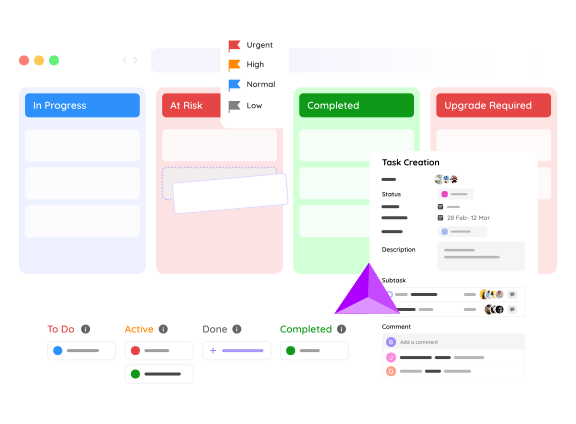
Projects fail when planning and execution drift apart
Most delivery issues come from unclear ownership, weak visibility, and late cross-team alignment.
Plans are disconnected from daily work
Roadmaps look clear, but task-level execution is fragmented across tools.
Milestones slip without early signals
Teams notice delays too late because progress tracking is inconsistent.
Dependencies are hard to coordinate
Cross-team handoffs create bottlenecks when ownership is unclear.
Delivery and billing are not aligned
Project completion and invoicing are managed in separate systems.
A practical project operating model
Define milestones, execute tasks, and keep delivery context connected from start to finish.
Plan the structure
Set phases, milestones, and dependencies so teams know the delivery path.
Execute in shared workflows
Run tasks with clear ownership while maintaining timeline visibility.
Close with continuity
Link project outcomes to follow-up actions, reporting, and invoicing.
Core capabilities for project delivery
Keep project planning and execution in one connected layer.
Milestone planning
Break large initiatives into clear delivery checkpoints.
Task-driven execution
Coordinate daily work directly from project context.
Shared visibility
Keep stakeholders aligned on progress and blockers.
Cross-team collaboration
Bring delivery, operations, and support into one workflow.
Plan timelines and milestones with more confidence
Structure delivery by deadlines and checkpoints so teams can anticipate risk earlier.
- Set milestone-based planning rhythms
- Track dependency impact before deadlines break
- Keep project updates grounded in delivery reality
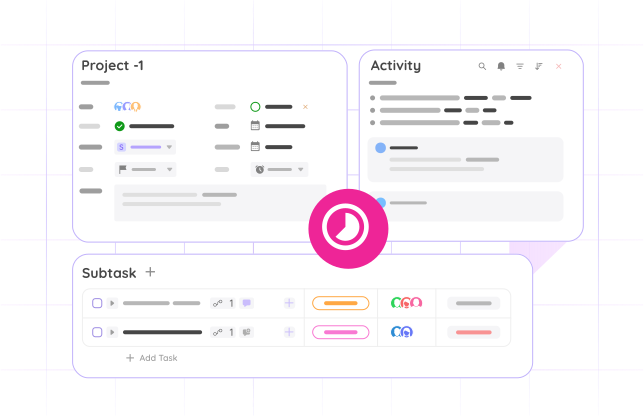
Use Kanban views to manage flow and unblock work
Visual board states help teams move work faster while identifying stalled tasks early.
- See task state transitions clearly
- Balance in-progress work across team members
- Reduce hidden blockers in delivery
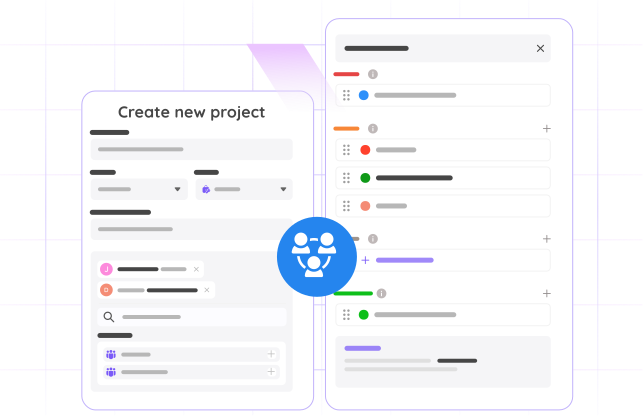
Capture effort against project execution
Track project time in context so delivery health and team load stay measurable.
- Link tracked hours to project and task context
- Improve visibility into effort versus scope
- Support cleaner reporting and client updates
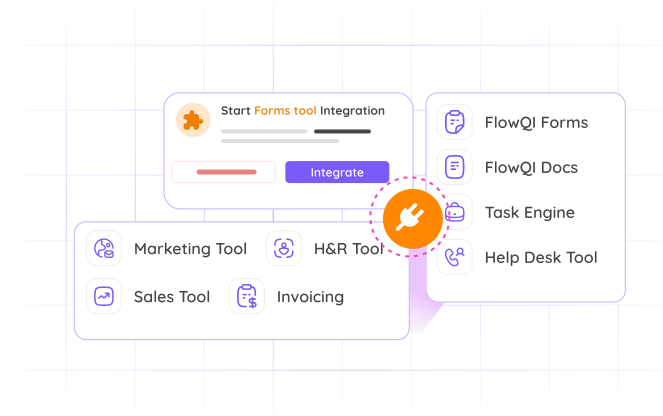
Plan workload with realistic team capacity
Balance assignments across resources so priority work moves without overloading key contributors.
- Match demand with available capacity
- Spot overload risk sooner
- Improve planning quality across sprints and phases
Standardize time approvals and reporting
Keep timesheet submission and approval in a single workflow tied to real project work.
- Reduce manual reconciliation
- Approve hours with clearer context
- Prepare cleaner handoff to invoicing
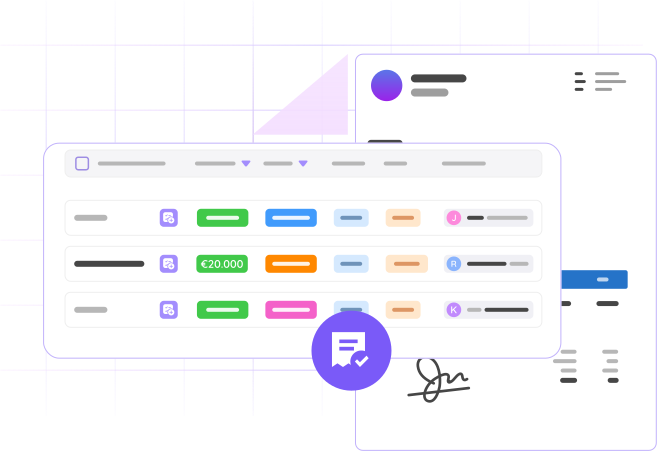
Projects and tasks are strongest when they run together
Project structure defines direction; task execution drives progress. FlowQi keeps both synchronized.
Project scope
Set goals, milestones, and dependencies.
Task execution
Run day-to-day work with ownership and deadlines.
Time and progress
Track effort and completion against planned outcomes.
Billing handoff
Move approved work into invoicing with less manual effort.
Common questions about FlowQi Project Management
Can I run both internal and client projects?
Yes. The setup supports both internal operations and external delivery workflows.
Can tasks be linked directly to project milestones?
Yes. Task execution can be connected to milestone planning and project progress tracking.
Can projects connect to time tracking and invoicing?
Yes. FlowQi supports connected delivery and billing workflows from one context.
Where do I manage detailed daily execution?
Use FlowQi Task Management for detailed ownership, priority handling, and operational follow-up.
Need stronger project delivery with fewer handoff gaps?
Run planning, execution, and follow-up in one connected operating flow.